The Town That Had to License Its Own Name — From Itself
Photo: Tad Dorgan, Public domain, via Wikimedia Commons
When Good Intentions Meet the Trademark Office
Somewhere in the long, strange history of American municipal government, there is a town that managed to trademark itself into a corner so tight that lawyers spent years arguing whether a community could legally infringe on its own identity. The story of Halfway, Oregon — yes, the same Halfway that made news in 1999 when it briefly renamed itself Half.com as part of a tech company promotion — offers a window into what happens when small-town civic pride collides with intellectual property law in ways nobody anticipated.
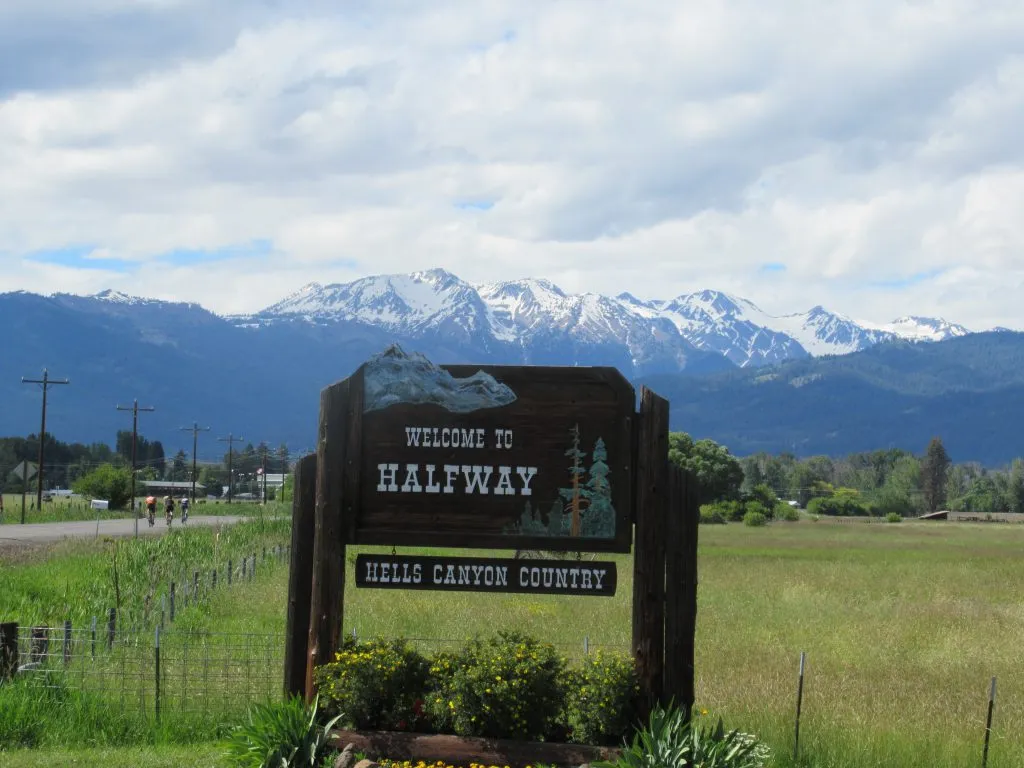 Photo: Halfway, Oregon, via www.cycleoregon.com
But Halfway's story is just the most famous example of a broader, genuinely bizarre phenomenon: the trademark trap. And the version that went most spectacularly sideways involves a municipality that arrived at the U.S. Patent and Trademark Office approximately 48 hours too late to own its own name.
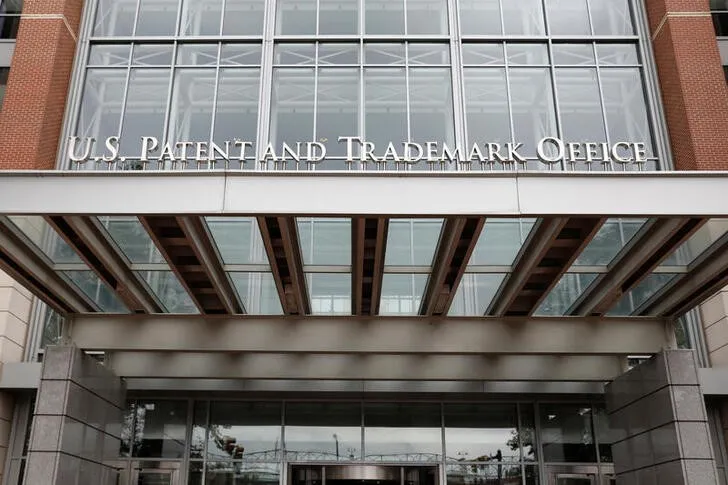 Photo: U.S. Patent and Trademark Office, via cloudfront-us-east-2.images.arcpublishing.com
Forty-Eight Hours That Changed Everything
The setup sounds simple enough. A small American town, let's call it a classic Main Street community somewhere in the mid-Atlantic or mountain west, decides in the early 2000s that it needs a tourism rebrand. Local officials hire a consultant, talk about logos, discuss slogans. Someone — almost certainly the consultant — suggests trademarking the town's name so that branded merchandise, promotional materials, and tourism campaigns can be legally protected.
The town council votes yes. The paperwork gets filed.
What nobody checked — and this is the part that still makes municipal attorneys wince — was whether someone had already filed first.
They had. A private entrepreneur, having noticed the town's growing reputation as a weekend destination, had submitted a trademark application for the town's name two days earlier, covering retail goods and tourism-related services. Under U.S. trademark law, priority generally goes to whoever files first. The town's application, arriving 48 hours behind, landed in a queue behind a private citizen who now, technically, held a claim to something the community had called itself for over a century.
The Legal Circus Begins
What followed was not a quick resolution. Trademark disputes rarely are, and this one had the added complication of being genuinely unprecedented in its specifics. The private trademark holder — a small business owner who saw a legitimate commercial opportunity and took it — wasn't doing anything illegal. But the implications were surreal.
Municipal signage bearing the town's name? Potentially infringing. Tourism brochures? Complicated. The town's own official website domain? Subject to dispute. At one point, according to accounts from the period, a city attorney had to formally advise the town council that their letterhead might constitute unauthorized use of a trademarked term.
The council letterhead. For the town. With the town's name on it.
Lawyers on both sides began billing hours. The private trademark holder, caught between a legitimate legal position and the social nightmare of being the person who owned a town's name, tried to negotiate. The town, caught between fiscal responsibility and the absurdity of paying licensing fees to exist, pushed back. The case wound through administrative hearings at the USPTO and eventually into federal court.
Can a Town Infringe on Its Own Identity?
The legal question at the center of the dispute is one that intellectual property scholars find genuinely interesting, which is usually a sign that the rest of us should find it alarming.
U.S. trademark law includes provisions for geographic terms — names of places generally can't be trademarked in ways that prevent others from using them to describe the actual place. But the specifics depend heavily on how the trademark was filed, what categories of goods and services it covers, and whether the term has acquired what lawyers call "secondary meaning" in a commercial context.
In plain English: it's complicated. Courts have ruled both ways on similar disputes. And while the town ultimately had strong arguments in its favor, "ultimately" took years and cost money that small municipalities don't have lying around.
"The absurdity," one legal observer noted during the proceedings, "is that we're in a courtroom arguing whether this community has the right to call itself by the name it's had since before anyone in this room was born."
What Actually Happened
The town eventually prevailed. Federal trademark law's geographic provisions, combined with evidence of the town's longstanding and non-commercial use of its own name, gave courts enough to work with. The private trademark was successfully challenged and ultimately cancelled in the relevant categories.
But the process took the better part of four years. Legal fees ran into six figures. The consultant who suggested trademarking in the first place had long since moved on to other clients.
And the private trademark holder? According to local accounts, they were never the villain the situation made them appear. They had an idea, filed paperwork, and found themselves at the center of a legal dispute they hadn't anticipated either. The whole thing was, from start to finish, an accident — a bureaucratic domino chain set off by a 48-hour gap and a filing system that doesn't pause to ask whether what you're claiming already belongs, in some fundamental sense, to an entire community.
The Lesson Nobody Wants to Learn
Small towns across the United States have increasingly tried to brand themselves like corporations — trademarking names, logos, and slogans as part of tourism and economic development strategies. It's not an unreasonable instinct in a competitive attention economy.
But the machinery of intellectual property law was built for businesses, not for places that exist independent of any legal filing. When those two worlds collide, the results can be stranger than fiction.
Somewhere right now, there is probably a town hall meeting where someone is suggesting that the municipality trademark its name. Somewhere else, there is probably an entrepreneur who just had the same idea.
The race is already on. The clock is already running.