Buried Strangers, Found Family: The Funeral Home Mistake That Changed Two Missouri Families Forever

Photo: Yoni Salinger, CC BY 4.0, via Wikimedia Commons
The Wrong Man in the Right Casket
There is a particular kind of grief that comes with burying someone you love. It is heavy and specific and deeply personal. Which is why what happened to two families in rural Missouri in the spring of 1999 was not just a bureaucratic error — it was a rupture in something that should have been sacred.
Two men died within days of each other in the same county. Both were named Robert. Both were taken to the same small funeral home. And through a chain of clerical errors so mundane that they are almost painful to recount — a misread intake form, a transposed file number, a staff miscommunication during a busy week — the two men were prepared, dressed, and presented to the wrong families.
For three days, each family grieved a stranger.
How It Happened
The funeral home at the center of the mix-up was a small, family-run operation that had served its community for generations. It was not, by any reasonable measure, a careless business. The error that occurred was the kind that happens when ordinary human systems are stressed just slightly beyond their capacity — a busy week, two intakes arriving close together, and a shared first name that nobody thought to double-check against a date of birth or a physical description.
The first family — call them the Hargrove family, as the actual names remain partially protected under Missouri court records — received what they believed was their father. They made arrangements. They chose a casket. They planned a service. Friends and extended family came from three counties away.
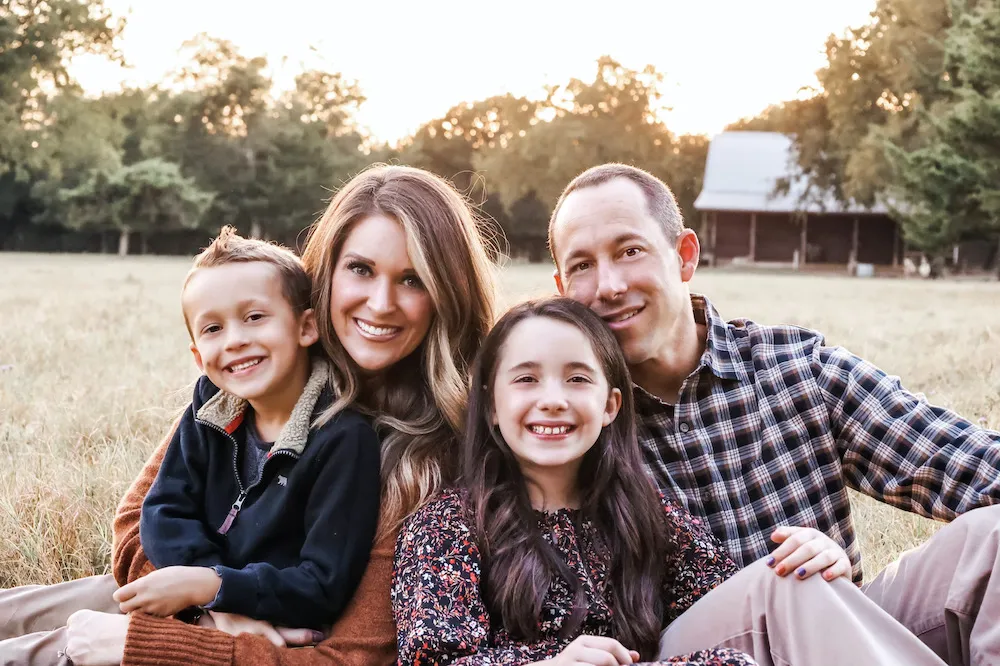 Photo: Hargrove family, via houseofhargrove.com
The second family went through the same process, in the same town, within the same 72-hour window.
It was at the graveside service for the Hargroves that someone first noticed something wrong. A cousin who had known the deceased for decades looked at the body during the open-casket viewing and said, quietly, that something didn't look right. The funeral director was called. Paperwork was pulled. Phone calls were made.
By the time the sun went down that day, both families knew what had happened.
The Legal Chaos That Followed
What comes next, in most stories involving institutional error and grieving families, is a lawsuit. And there were lawsuits — two of them, filed within weeks of the incident, naming the funeral home and its parent company as defendants.
But the legal situation was stranger than it first appeared, because Missouri's regulatory framework for funeral homes in 1999 was, to put it charitably, underdeveloped. The state had basic licensing requirements and health codes governing the handling of remains, but it had almost nothing on the books specifically addressing what happened when a funeral home made an identification error of this magnitude.
The families' attorneys found themselves in the unusual position of having to argue damages under general negligence law, because there was no specific statute that covered the situation. The funeral home's attorneys, meanwhile, argued that the emotional distress claims were difficult to quantify because — in a genuinely uncomfortable legal argument — both men had received proper burial services. Just not for the right families.
The cases were eventually settled out of court, with terms that remain confidential. But the litigation put a spotlight on the gap in Missouri's regulatory code that nobody had previously noticed, because nobody had previously needed to notice it.
The Part Nobody Expected
Here is where the story takes a turn that no screenwriter would have dared invent.
In the weeks after the mix-up was discovered, the two families — who had never met before the incident — began talking. First through their attorneys, then directly, as they navigated the practical and emotional aftermath of what had happened. The bodies were eventually re-interred correctly, a process that required its own set of legal permissions and which added another layer of grief to an already devastating situation.
But something unexpected happened in the space created by that shared trauma. The two families discovered they had grown up in overlapping communities. They had mutual friends. Their fathers, it turned out, had known each other — not well, but enough to nod at each other across a hardware store. They had, in some loose sense, been part of the same world for decades without ever properly meeting.
The friendship that formed between the two families in the aftermath of the error was, by all accounts, genuine. They attended each other's subsequent family events. They advocated together for the legislative changes that the incident had made visible. One family member from each side testified before a Missouri legislative committee in 2001.
The Law That Came From the Mistake
In 2002, Missouri passed updated regulations governing funeral home identification procedures. The new rules required independent verification of a deceased person's identity at multiple points in the intake and preparation process, with documentation requirements that had to be completed before any services could proceed.
The legislation wasn't named after either family. It didn't make headlines. It was the kind of regulatory update that gets passed quietly, filed in a binder somewhere, and only noticed when it prevents the next mistake.
But funeral industry professionals in Missouri have pointed to the 1999 incident as the direct catalyst for the reform. Before that spring, the state's identification requirements were largely informal — best practices rather than enforceable standards. After it, they were codified.
What a Mistake Can Build
The Missouri funeral mix-up is, on its surface, a story about failure. A system didn't work. People were hurt in ways that can't be fully repaired. The error happened during some of the most vulnerable days in both families' lives, and no settlement or regulatory update can undo that.
But it is also — and this is the genuinely strange part — a story about what failure can accidentally produce. Two families who would never otherwise have met found each other through a clerical error. A gap in state law that might have gone unnoticed for another generation was exposed and fixed. And somewhere in rural Missouri, two men who shared a first name and a county were eventually laid to rest in the right places, surrounded by the right people.
It is not a happy story, exactly. But it is a remarkably human one — a reminder that even bureaucratic disasters sometimes leave something worth keeping in their wake.