Five Coins That Should Never Have Existed — And Made Someone a Millionaire
The Coin That Broke the Rules Before It Was Even Dry
Picture this: it's 1913, and somewhere deep inside the Philadelphia Mint, someone is doing something they absolutely should not be doing. The Liberty Head nickel had already been officially retired. The buffalo nickel was ready to take its place. The dies for the old design should have been locked away or destroyed. And yet, somehow, five Liberty Head nickels were struck anyway — quietly, without authorization, and without any explanation that has ever fully satisfied historians.
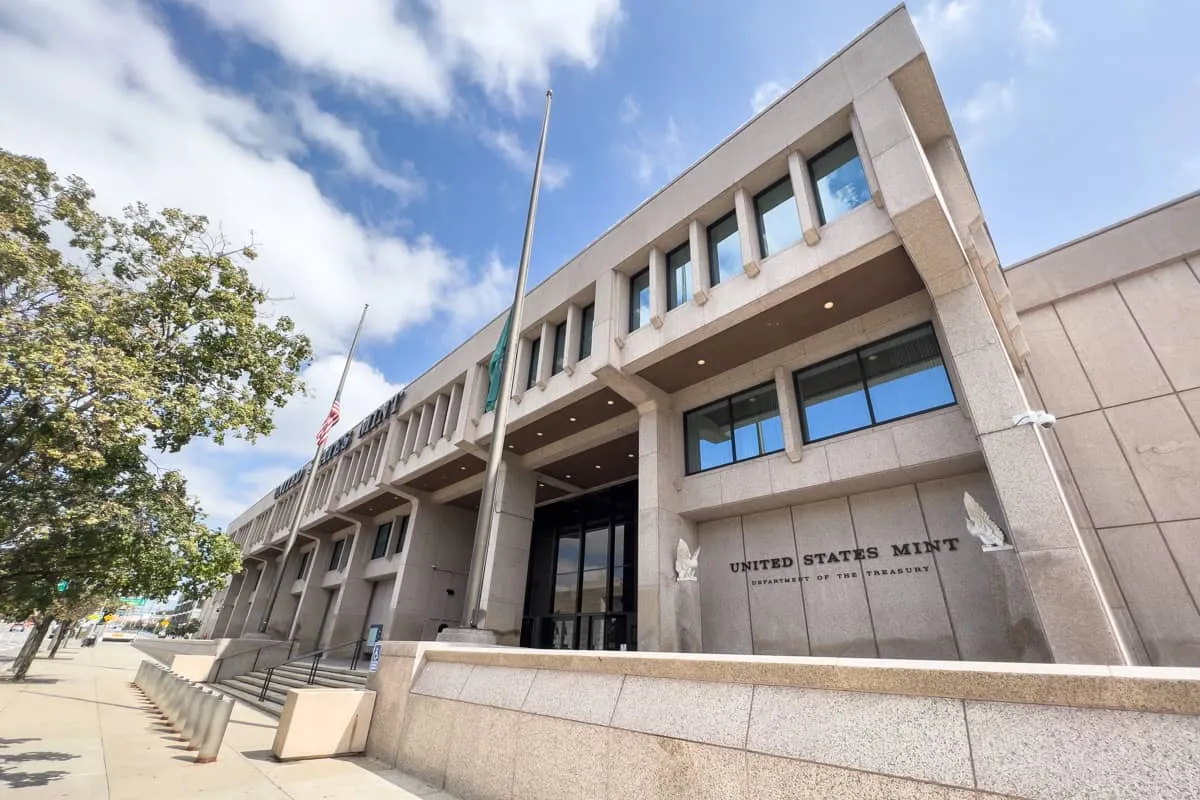 Photo: Philadelphia Mint, via uncoveringpa.com
Those five coins are still out there today. And depending on which one you're talking about, you'd need somewhere between two and seven million dollars to buy it.
A Design That Was Already Dead
To understand why these coins are such a big deal, you have to understand what the Liberty Head nickel actually was. Charles Barber designed it back in 1883, and for thirty years it was just... a nickel. Ordinary. Unremarkable. Something you'd use to buy a newspaper or drop in a jar.
By late 1912, the U.S. Mint had already decided to replace it with James Earle Fraser's iconic buffalo nickel design, featuring a Native American portrait on one side and an American bison on the other. The changeover was official. The new coins were being prepared. The Liberty Head was finished.
Except somebody apparently didn't get that memo — or did get it and decided to ignore it entirely.
In 1913, five Liberty Head nickels bearing that year's date were struck. No record of their production exists in any official Mint documentation. No authorization has ever been found. For years, the government flatly denied they could exist at all.
The Mint Employee Nobody Could Officially Blame
The leading suspect in this numismatic mystery is a man named Samuel Brown, who worked at the Philadelphia Mint as a clerk around that time. In 1920, Brown showed up at the American Numismatic Association convention in Chicago with five curious coins — five 1913 Liberty Head nickels — and offered to buy any others that collectors might have. He was clearly trying to establish their existence and, not coincidentally, drive up their value.
 Photo: American Numismatic Association, via www.money.org
 Photo: Samuel Brown, via department.va.gov
Brown later sold all five coins, walking away with what was then a very tidy profit. He never publicly explained how he'd obtained them, and he died without giving a full account. The Mint, for its part, spent decades insisting the coins were fraudulent — which, given that no fraud was ever proven and the coins have since been exhaustively authenticated, says more about institutional embarrassment than actual evidence.
Whether Brown struck the coins himself, had an accomplice, or simply walked off with dies that should have been secured, nobody knows for certain. The paper trail stops cold right at the moment it gets interesting.
Decades of Secret Deals and Dramatic Rooms
After Brown's 1920 debut, the five coins scattered across the country and began living the kind of lives that make coin collectors genuinely emotional. They changed hands through private deals, estate sales, and eventually some of the most watched numismatic auctions in American history.
One of them — known as the Walton specimen — was actually declared a fake for decades after its owner, George Walton, died in a 1962 car crash. The coin sat in a family closet for forty years, dismissed as worthless. Then, in 2003, the family brought it to a special authentication event organized by the Professional Coin Grading Service. After close examination, experts confirmed it was genuine — a real 1913 Liberty Head nickel that had been sitting in a box while everyone assumed it was junk. The story made national news.
Another example, known as the Olsen specimen, appeared on an episode of the TV show Hawaii Five-O in 1973. An actual seven-figure coin, used as a prop on network television. That's the kind of casual relationship with extraordinary value that makes this story feel almost fictional.
What a Coin Is Actually Worth
By the early 2000s, one of the five sold at auction for over $4 million. In 2018, another example crossed the $4.5 million mark. Estimates for the finest-known specimen now hover around $7 million — making it, by unit value, one of the most expensive small objects on earth. For context, that's more per ounce than almost any precious metal, gem, or material you can name.
And the federal government, the institution that made them — or allowed them to be made — has never officially acknowledged exactly what happened inside that building in 1913.
Why This Story Still Matters
The 1913 Liberty Head nickels sit at a strange intersection of bureaucratic failure, possible criminal opportunism, and pure numismatic luck. Somebody made a decision — or a mistake, or a calculated gamble — inside a federal facility, and that decision created five objects that have outlasted everyone involved and are now worth more than most American homes.
There's something almost poetic about it. The U.S. Mint exists to control exactly which coins exist and in exactly what quantities. The entire value of American currency depends on that control. And yet here are five coins that prove the system isn't airtight — that somewhere in the machinery of federal precision, a human being found a gap and walked through it.
We'll probably never know exactly who did it or why. But we do know the result: five small pieces of metal that the government says shouldn't exist, sitting in private collections and auction catalogs, quietly worth a fortune.
Sometimes the best investment is the one nobody was supposed to make.