Democracy's Most Embarrassing Glitch: When Colorado Voters Accidentally Put a Bar Story on City Council
When Fiction Meets Politics
In the annals of American democracy, 1998 was supposed to be a quiet election year for Hartsel, Colorado. This sleepy mountain town of fewer than 700 residents had grown tired of the same old faces running for city council, so when election day rolled around, a group of fed-up voters decided to make their displeasure known in the most American way possible: a good old-fashioned protest vote.
 Photo: Hartsel, Colorado, via www.media.pokekalos.fr
What they didn't expect was for their joke to backfire so spectacularly that it would expose a glaring hole in Colorado's election laws and create a constitutional crisis that would make national headlines.
The Legend of Jake "Mountain" Morrison
The trouble started at Murphy's Saloon, where bartender Tom Hendricks had been entertaining locals for months with tall tales about Jake "Mountain" Morrison, a fictional frontier hero who supposedly tamed bears with his bare hands and once ate an entire elk in a single sitting. Morrison was Hendricks' creation—part Paul Bunyan, part Chuck Norris, and entirely imaginary.
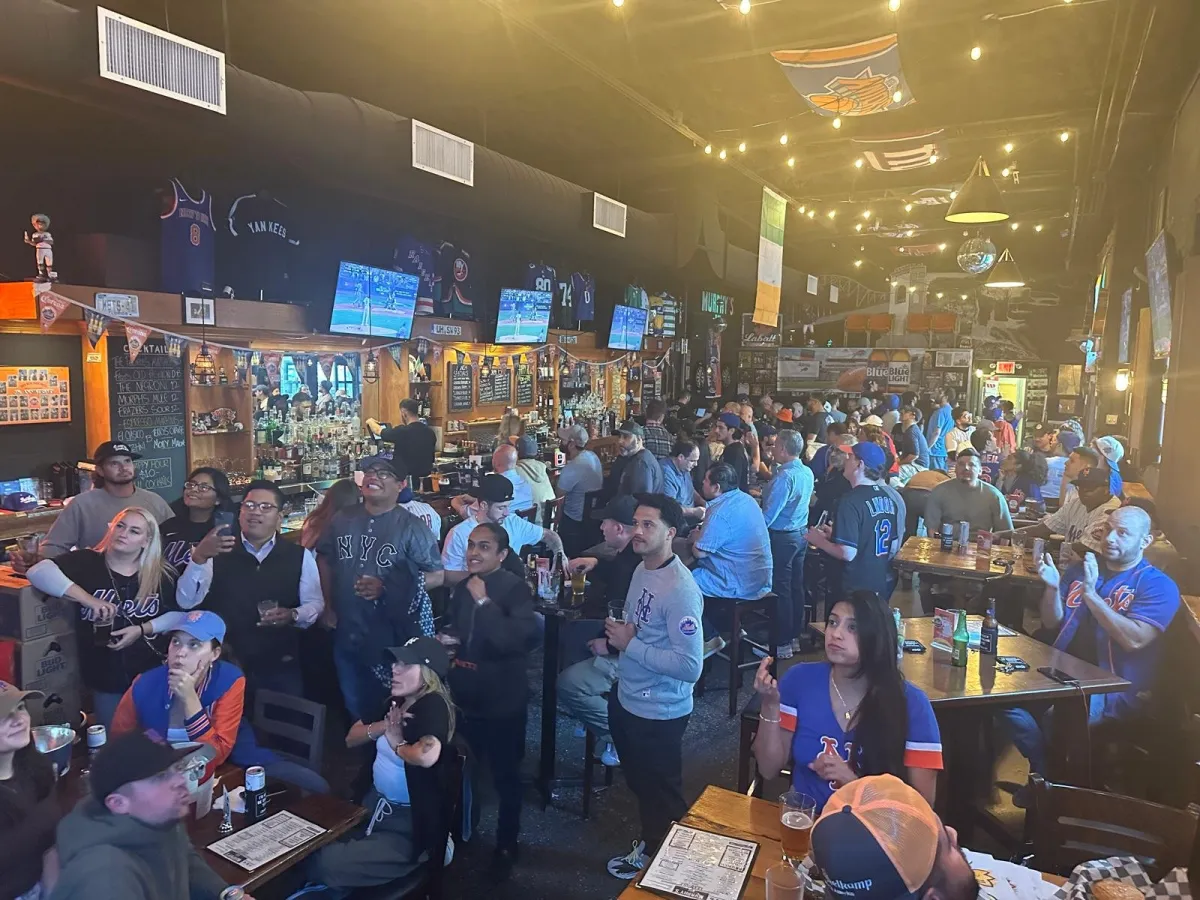 Photo: Murphy's Saloon, via images.squarespace-cdn.com
But to the disgruntled voters of Hartsel, Jake Morrison represented something real: the perfect candidate. He was incorruptible (being fictional), had no special interests (being nonexistent), and couldn't possibly disappoint them in office (being a product of someone's imagination).
The Vote That Broke Democracy
On election night, something unprecedented happened. While the three actual candidates split the "serious" vote almost evenly, Jake Morrison pulled ahead with a decisive write-in victory. Seventeen percent of Hartsel's registered voters had written in the name of a character who existed only in barroom stories.
Under normal circumstances, this would have been a harmless prank—election officials would have simply discarded the invalid ballots and declared the highest vote-getter among real candidates the winner. But Colorado's election statutes, written in a simpler time, contained no specific language disqualifying fictional characters from holding office.
Legal Limbo
The morning after the election, Hartsel found itself in uncharted legal territory. State election officials huddled in emergency meetings, trying to figure out how to handle a situation no one had anticipated. Could a fictional character legally hold office? What constituted a "person" under Colorado election law? And who exactly would show up to city council meetings?
Attorney General Ken Salazar's office was flooded with calls from confused reporters and bemused legal scholars. "We've got case law for dead people winning elections," one state lawyer told the Denver Post, "but nothing in the books about imaginary ones."
The situation grew more absurd by the day. Hartsel's city clerk, Margaret Walsh, found herself fielding interview requests from CNN and the Tonight Show, all wanting to know how a town could accidentally elect someone who didn't exist. "I've been doing this job for twenty-two years," Walsh told reporters, "and I never thought I'd have to look up whether ghosts can take an oath of office."
The Constitutional Scramble
As news of Hartsel's predicament spread, constitutional lawyers across the country began weighing in on what became known as the "Morrison Question." Some argued that since voters had knowingly cast ballots for a fictional character, their intent was clear—they wanted no representation rather than the available options.
Others contended that allowing fictional characters to hold office would set a dangerous precedent. What would stop other communities from electing Superman or Mickey Mouse to positions of real responsibility?
The Colorado Secretary of State's office ultimately ruled that Morrison's election was invalid, not because he was fictional, but because he failed to meet the basic requirement of being a registered voter in the district—a technicality that saved everyone from having to define the legal status of imaginary people.
The Lasting Legacy
The Morrison incident prompted the Colorado legislature to pass emergency legislation clarifying that candidates for public office must be living, breathing human beings who actually exist. The "Hartsel Amendment," as it became known, now serves as a model for other states looking to close similar loopholes in their election laws.
But perhaps the strangest part of the whole affair was what happened to Jake Morrison himself. Tom Hendricks, the bartender who created the character, reported that after the election, locals stopped asking for new Morrison stories. "I guess once you've seen your folk hero get tangled up in bureaucracy," Hendricks reflected, "the magic kind of wears off."
Democracy's Strangest Lesson
The 1998 Hartsel election remains a fascinating case study in the unintended consequences of protest voting. It demonstrated that in America's complex web of election laws, there are still gaps wide enough for a fictional folk hero to slip through.
More importantly, it showed that sometimes the most effective way to highlight the absurdities in our political system is to accidentally elect someone who embodies those absurdities perfectly—even if that someone happens to be completely made up.