The Sleep Police: When a Colorado Mining Town Made Napping a Criminal Offense
When Exhaustion Became a Crime
Imagine getting arrested for taking a nap. In the silver-mining town of Silverton, Colorado, that bizarre scenario was actually possible for over a century, thanks to one of the strangest laws ever passed in American history.
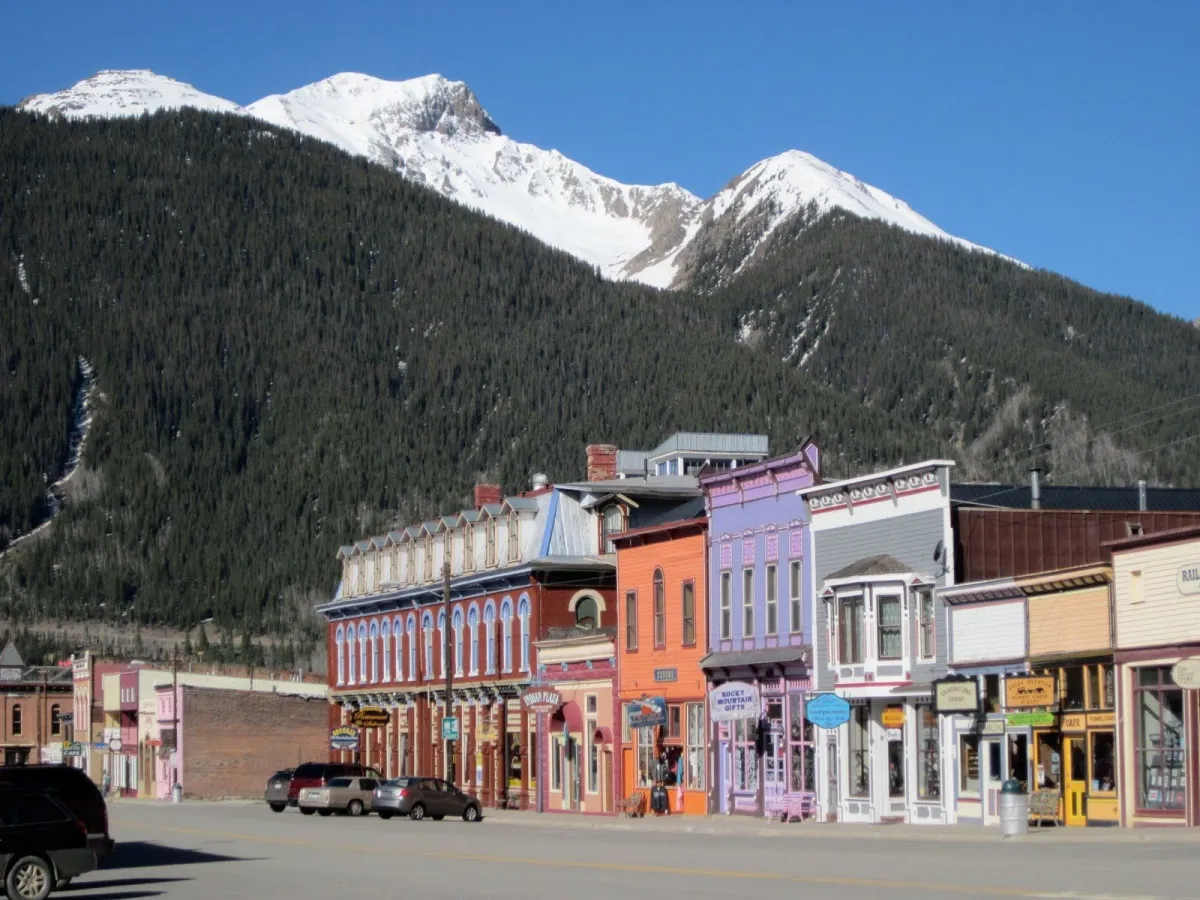 Photo: Silverton, Colorado, via i.pinimg.com
In the winter of 1887, Silverton's town council faced a crisis that would seem almost comical if it weren't so deadly serious. The booming mining town, perched high in the San Juan Mountains, was experiencing an unprecedented influx of prospectors, merchants, and fortune-seekers. Every hotel, boarding house, and spare room was packed beyond capacity.
 Photo: San Juan Mountains, via www.mountainphotography.com
The Crisis That Sparked Insomnia
The problem wasn't just overcrowding—it was hypothermia. Desperate miners, unable to afford lodging, had taken to sleeping in public buildings: the courthouse, the post office, even the town hall. During Colorado's brutal mountain winters, these structures offered the only refuge from temperatures that regularly dropped below zero.
But the town council was terrified of liability. What if someone froze to death in a government building? Who would be responsible? More pressingly, what if the constant stream of sleeping strangers posed a fire hazard in buildings heated by wood stoves?
On February 14, 1887, in what must rank as history's most unromantic Valentine's Day decision, the Silverton Town Council passed Emergency Ordinance 23-B: "No person shall sleep, doze, or remain unconscious for any period exceeding ten minutes within any public building, structure, or municipal facility within town limits."
The penalty? A $5 fine—equivalent to about $150 today—or three days in jail.
The Enforcement Nightmare
What followed was a century of increasingly absurd enforcement attempts. Town records from the 1890s show dozens of citations issued to exhausted miners caught napping in the courthouse lobby. One particularly dedicated deputy sheriff, Thomas "Watchdog" McGillicuddy, reportedly set up a schedule to patrol public buildings every nine minutes, armed with a cowbell to wake potential violators.
The law created some genuinely bizarre scenarios. In 1923, the town's own mayor was technically in violation when he dozed off during a particularly boring budget meeting. Rather than cite himself, he simply pretended it never happened—a decision that would haunt municipal lawyers decades later.
During the Great Depression, when Silverton's population dwindled and the mining boom went bust, enforcement became sporadic. But the law remained on the books, a forgotten relic gathering dust alongside other outdated ordinances.
The Modern Discovery
The sleep ban might have remained forgotten forever if not for a routine legal review in 1987. City attorney Patricia Hernandez was researching municipal codes for an unrelated zoning dispute when she stumbled across Ordinance 23-B, still technically active after 100 years.
"I thought it was a joke at first," Hernandez later told the Durango Herald. "But there it was, plain as day. We had a law on our books that made it illegal for anyone to fall asleep in city hall, the library, or even the public restrooms."
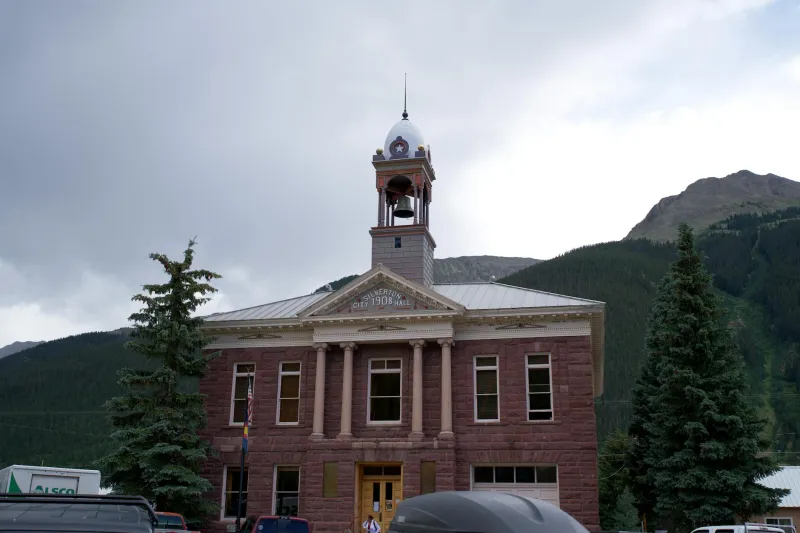
The timing couldn't have been worse. Silverton was trying to reinvent itself as a tourist destination, and the last thing officials wanted was a law that could theoretically criminalize tired visitors taking a break in the town's small public library.
Legal Limbo and Liberation
The repeal process revealed just how tangled the law had become. Over the decades, various amendments and modifications had been layered onto the original ordinance, creating what one legal scholar called "a century of legislative sediment."
Some changes were practical: a 1934 amendment exempted "persons rendered unconscious by mining accidents or medical emergencies." Others were bizarre: a 1956 addition specified that the law didn't apply to "official town naps" during municipal meetings—apparently a response to chronic doziness among city council members.
The most troubling discovery was that the law had never actually been tested in court. Legal experts weren't even sure if it was constitutional, given that it essentially criminalized a basic biological function.
The Final Wake-Up Call
On December 15, 1987—exactly 100 years and 10 months after its passage—the Silverton Town Council finally repealed Ordinance 23-B. The vote was unanimous, though one council member reportedly joked about taking a ceremonial nap to celebrate.
The repeal made national news, turning Silverton into a brief media curiosity. Late-night talk show hosts had a field day with the story, and the town received dozens of tongue-in-cheek inquiries from insomniacs asking if they could visit safely.
The Lasting Legacy
Today, Silverton embraces its quirky legal history. The town's museum features a display about the "Great Sleep Ban," complete with reproductions of the original citations and McGillicuddy's famous cowbell. Local gift shops sell t-shirts reading "I Stayed Awake in Silverton."
But the story serves as more than just a historical oddity. Legal experts point to Silverton's century-old sleep ban as a perfect example of how emergency legislation can outlive its usefulness, creating unintended consequences for generations.
As city attorney Hernandez noted in her final report on the repeal: "Sometimes the most dangerous laws are the ones everyone forgets exist." In Silverton's case, it took 100 years to remember that sometimes, everyone just needs a good nap.