When Catching Rain Was a Crime: The Western Water Law That Made Buckets Illegal for Over a Century
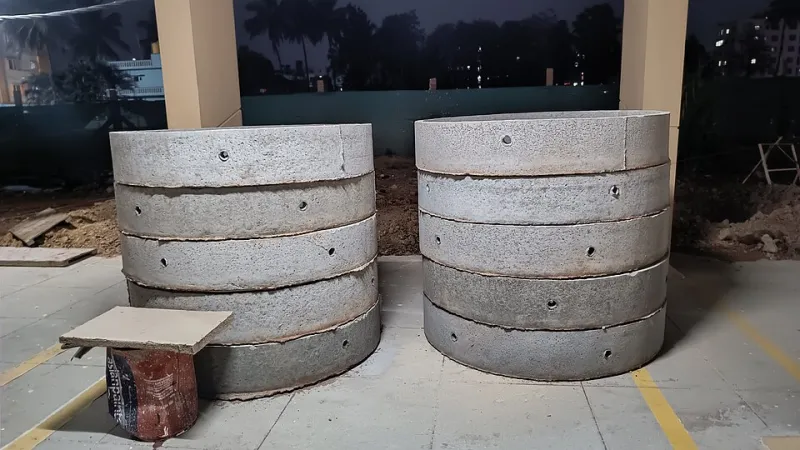
Photo: Contributers2020, CC BY-SA 4.0, via Wikimedia Commons
The Bucket That Broke the Law
Imagine it's a dry summer afternoon in Colorado. Your garden is parched, your lawn is crunching underfoot, and the sky finally opens up with a proper thunderstorm. You do what any sensible person would do: you grab a bucket, set it on the porch, and let it fill up.
For most of American history, that simple act would have made you a criminal in the state of Colorado.
Not metaphorically. Not technically. Actually, prosecutably, fines-and-all criminal.
The story of how collecting rainwater became illegal in the American West is one of those legal tangles so strange, so counterintuitive, and so genuinely absurd that it almost requires a flowchart to explain. But at its heart, it's a story about a 19th-century solution to a real problem that quietly calcified into one of the most bizarre laws on the books in modern America.
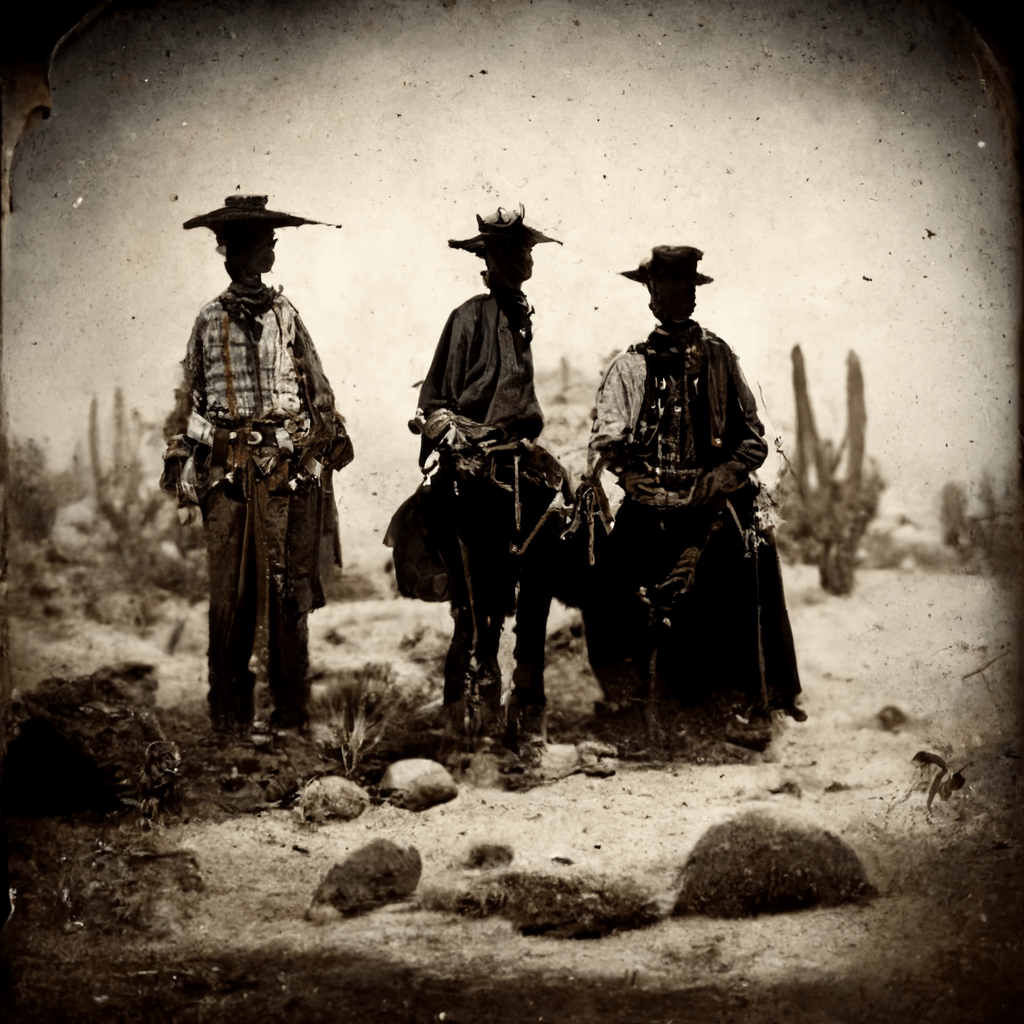 Photo: American West, via www.creativefabrica.com
The Doctrine That Started Everything
To understand how a rainstorm became a legal minefield, you have to go back to the 1800s and a legal concept called the Prior Appropriation Doctrine.
In the Eastern United States, water law followed English common law: if you owned land next to a river or stream, you had the right to use that water. But the West was different. Water was scarce. Rivers were few. And the people who arrived first — miners, farmers, ranchers — staked claims not just on land but on water itself.
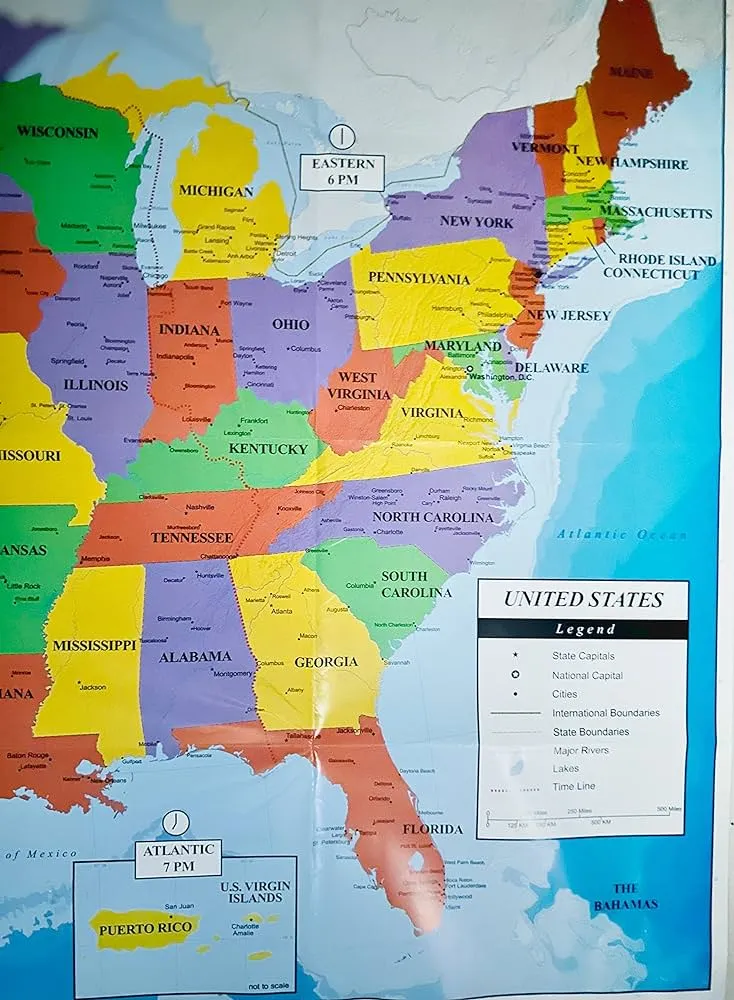 Photo: Eastern United States, via worksheets.clipart-library.com
The Prior Appropriation Doctrine formalized this instinct into law. Its core principle was simple: "first in time, first in right." Whoever claimed a water source first had the senior right to use it. Latecomers got what was left, which in a dry year could be nothing at all.
Colorado enshrined this doctrine in its state constitution in 1876, making it one of the most aggressive adopters of the system in the country. Water rights became property rights. They could be bought, sold, and inherited. And crucially, they applied not just to rivers and streams but to the precipitation that fed them.
Where Rain Fits Into a River
Here is where the logic gets genuinely strange.
Under strict interpretations of Colorado water law, rainwater that fell on your property wasn't really yours. It was water that would eventually — through runoff, groundwater percolation, or stream flow — make its way into a waterway where someone downstream held a prior claim. If you intercepted it in a barrel on your back porch, you were, in legal terms, diverting water that belonged to someone else.
This wasn't a hypothetical concern dreamed up by lawyers. The doctrine was actively enforced. Water commissioners — yes, Colorado had those — patrolled irrigation systems and monitored usage. In dry years, senior rights holders could and did demand that junior users stop drawing water entirely. The system was rigid by design, because in a water-scarce environment, flexibility meant chaos.
Rainwater collection, under this framework, was simply another form of unauthorized diversion. And for most of the 20th century, the official position of Colorado water law was that homeowners had no right to collect precipitation that fell on their own roofs.
The Enforcement Nobody Liked to Talk About
For decades, the law existed in a strange twilight zone. It was real, it was on the books, and occasional enforcement actions confirmed it wasn't entirely theoretical — but it also wasn't the kind of thing that generated nightly news coverage.
The cases that did surface were quietly remarkable. Homeowners in drought years who set out collection barrels received notices from water authorities. A handful of small-scale rainwater harvesting projects were shut down after complaints from downstream rights holders. Environmental advocates who promoted rain barrel programs in the 1990s and early 2000s found themselves in awkward conversations with state officials who confirmed, with visible discomfort, that yes, technically, this was illegal.
The absurdity was not lost on anyone. Colorado was simultaneously encouraging water conservation and prosecuting one of the most basic conservation behaviors imaginable. During drought years, when residents were asked to reduce outdoor watering, they were also technically prohibited from collecting the rain that might have replaced it.
The 2016 Fix Nobody Wanted to Celebrate
By the 2010s, the pressure to reform the law had become impossible to ignore. Environmental groups, gardening advocates, and a growing number of legislators who found the whole situation genuinely embarrassing pushed for change.
In 2016, Colorado passed Senate Bill 16-175, which legalized residential rainwater collection — with significant limitations. Homeowners could now collect up to 110 gallons of rainwater from their rooftops using no more than two containers. The water had to be used on the same property where it was collected, and only for outdoor purposes like irrigation.
It was a modest reform. Water law scholars noted that the underlying Prior Appropriation Doctrine remained fully intact, and the new rules were carefully designed not to disturb existing rights holders. The 110-gallon limit was not chosen arbitrarily — state researchers estimated that at that scale, the downstream impact on water flows was effectively negligible.
The bill passed without much fanfare. There were no parades.
A Law That Tells You Something True
It would be easy to file this story under "government overreach" or "bureaucratic absurdity" and move on. But the rainwater law is actually something more interesting than that: it's a case study in how reasonable solutions to real problems can harden, over time, into unreasonable constraints on ordinary life.
The Prior Appropriation Doctrine made genuine sense in 1876. Water was genuinely scarce. The stakes for downstream farmers were genuinely high. The legal framework that emerged was, by the standards of its time, rational.
What nobody fully anticipated was that the doctrine would still be governing behavior 140 years later, in a world with modern weather monitoring, satellite hydrology, and a growing population that needed every drop of water it could responsibly collect.
For 36 years after Colorado's drought crisis of the 1980s brought the issue into public view, the law sat there, quietly prosecuting people for setting out buckets in the rain — a reminder that sometimes the strangest laws aren't the ones that were never sensible. They're the ones that made perfect sense once, and then just never stopped.