Cursed Waters: The Identical Shipwrecks That Defied All Logic
When History Repeats Itself, Exactly
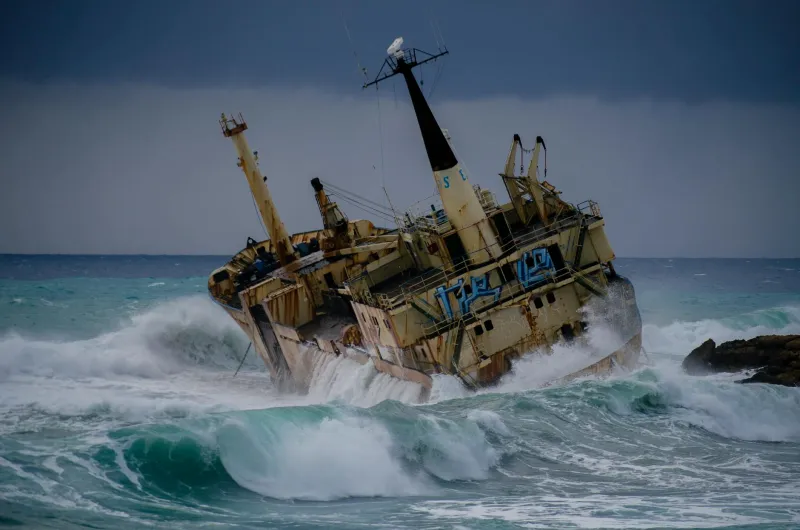
Maritime disasters happen with tragic regularity along America's treacherous coastlines. But what occurred off the coast of Cape Cod represents something far stranger than ordinary shipwrecks—a coincidence so precise and eerie that it left maritime historians questioning whether some locations are genuinely cursed.
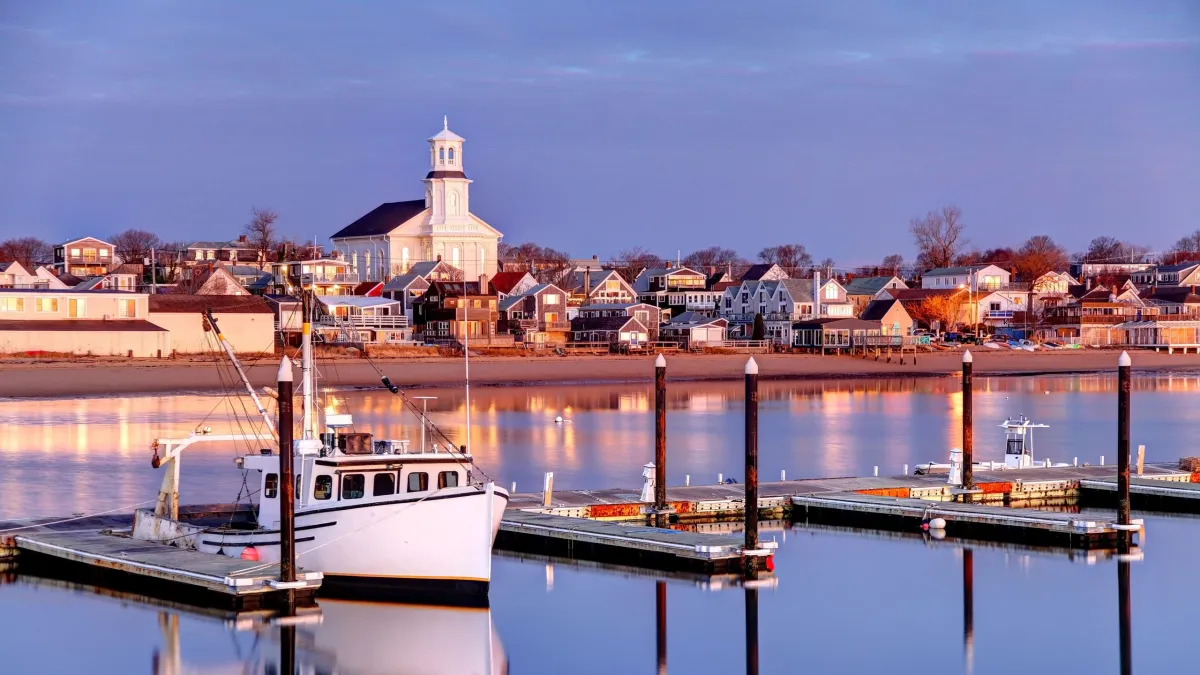 Photo: Cape Cod, via media.cntraveler.com
On November 23, 1847, the merchant vessel Catherine Marie ran aground on Devil's Triangle Reef, a notorious hazard roughly three miles southeast of Provincetown, Massachusetts. Sixty-seven years later, on November 21, 1914, the cargo steamer Mary Catherine met an identical fate on the exact same rocks.
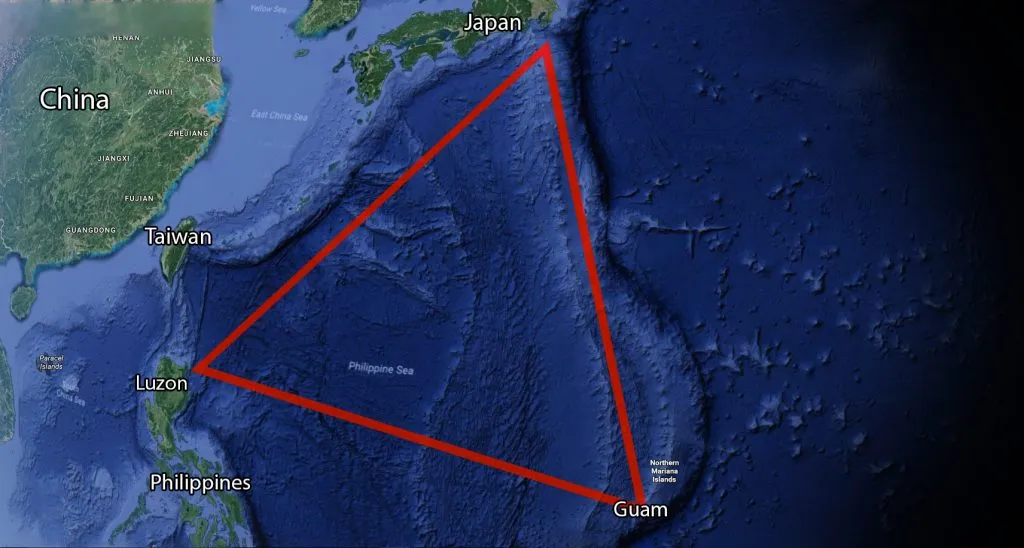 Photo: Devil's Triangle Reef, via userscontent2.emaze.com
The similarities between these disasters go far beyond location and timing—they extend into details so specific that even the most rational maritime experts struggle to explain them away.
The First Tragedy
The Catherine Marie was a three-masted merchant ship carrying a mixed cargo of textiles, farm equipment, and luxury goods from Boston to Charleston, South Carolina. Captain Jeremiah Walsh, a veteran sailor with over twenty years of coastal experience, was navigating through an early winter storm when thick fog rolled in just after sunset.
According to the ship's surviving log, Walsh ordered the crew to reduce sail and post extra lookouts. But Devil's Triangle Reef earned its name for good reason—the jagged rocks sit just below the waterline at high tide, invisible until it's too late.
At 11:47 PM, the Catherine Marie struck the reef with what survivors described as "a grinding crash that shook every timber." The impact tore a twelve-foot gash in the ship's hull, and she began taking on water immediately.
Fortunately, the merchant vessel Good Fortune, captained by Samuel Morrison, was following roughly the same route about two miles behind. Morrison spotted the Catherine Marie's distress signals and managed to rescue all 23 crew members before the ship broke apart completely.
The Impossible Return
Fast-forward to November 21, 1914. The cargo steamer Mary Catherine was making the same run from Boston to Charleston, carrying a remarkably similar manifest: textiles, farming machinery, and finished goods. Captain Robert Walsh—no relation to the earlier Captain Walsh, despite the shared surname—was navigating through what weather records show was an almost identical storm system.
The parallels become unsettling when you examine the details. Like its predecessor, the Mary Catherine encountered heavy fog just after sunset. Captain Walsh ordered reduced speed and posted additional lookouts. The ship struck Devil's Triangle Reef at 11:52 PM—just five minutes later than the Catherine Marie had 67 years earlier.
The damage was eerily similar: a twelve-foot breach in the hull that caused rapid flooding. And in what might be the most impossible coincidence of all, the rescue ship was the steamship Fortune's Favor, under the command of Captain James Morrison—the grandson of Samuel Morrison, who had rescued the Catherine Marie's crew decades earlier.
All 31 crew members of the Mary Catherine were saved.
Maritime Experts Weigh In
When news of the second wreck reached maritime authorities, the similarities were impossible to ignore. The Boston Marine Insurance Company launched an investigation, convinced that some form of insurance fraud must be involved. What they discovered only deepened the mystery.
Both ships had been built in different shipyards, owned by different companies, and crewed by men with no apparent connections to each other. The cargo manifests, while similar in type, came from entirely different suppliers. Even the weather patterns, while comparable, were generated by separate storm systems moving along different tracks.
"In forty years of investigating maritime incidents, I've never seen anything like it," wrote Chief Inspector Harold Pemberton in his 1915 report. "The probability of such precise repetition occurring by chance is so remote as to be practically impossible."
Modern maritime historians have attempted to explain the coincidence through more scientific means. Dr. Sarah Chen of the Woods Hole Oceanographic Institution points to the reef's location at the intersection of several major shipping lanes and its position relative to Cape Cod's distinctive geography.
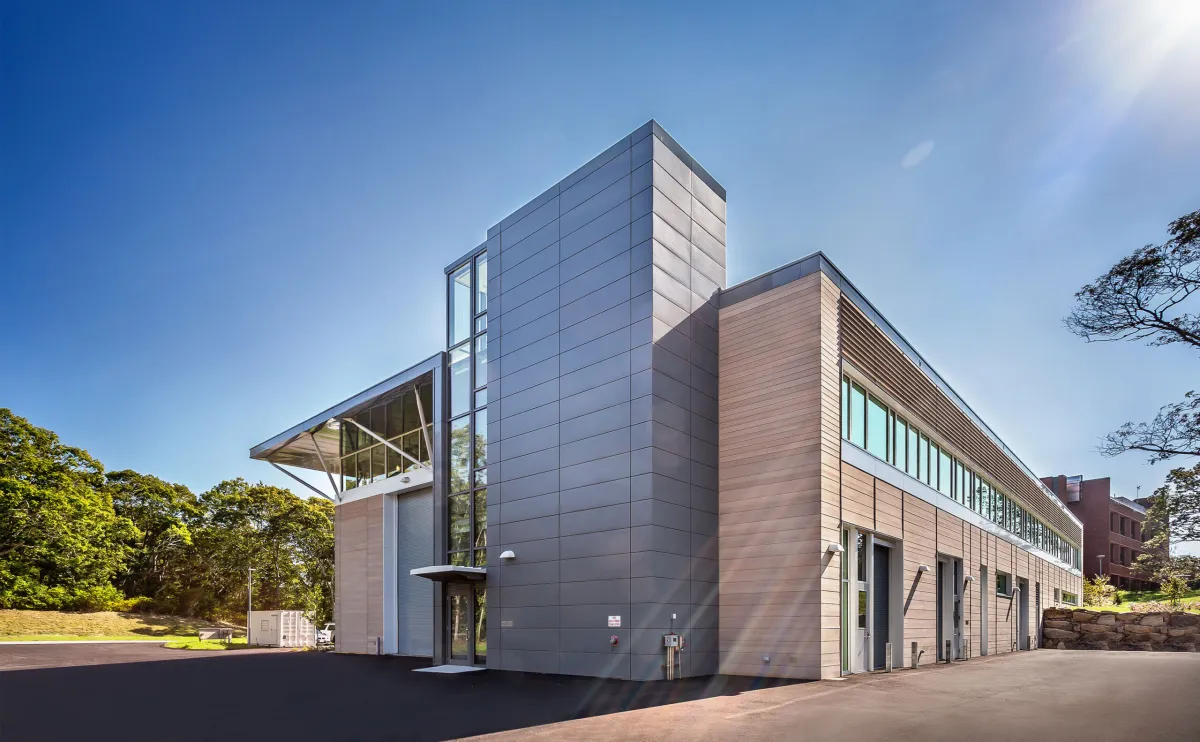 Photo: Woods Hole Oceanographic Institution, via www.ellenzweig.com
"Devil's Triangle Reef sits at a natural choke point," Dr. Chen explains. "Ships following the standard coastal route from Boston to southern ports would naturally pass close to this hazard, especially during storm conditions when captains might be pushed off course."
The Deeper Mystery
But even Dr. Chen admits that geography alone can't explain the precision of the coincidences. The timing, the damage patterns, the rescue scenarios—each detail seems to echo across the decades with uncomfortable accuracy.
Local folklore offers its own explanations. Provincetown fishermen have long claimed that Devil's Triangle Reef is haunted by the spirits of shipwreck victims, doomed to replay their final moments for eternity. While maritime historians dismiss such supernatural theories, they acknowledge that the coincidences remain unexplained.
Perhaps most unsettling is the discovery made by researchers in the 1970s: both ships' final radio transmissions (the Mary Catherine had wireless equipment) contained identical phrases. The Catherine Marie's last signal lamp message, translated from maritime code, read: "Taking water fast, crew safe, God help us." The Mary Catherine's final wireless transmission, sent in Morse code, was: "Taking on water rapidly, all hands accounted for, pray for us."
Legacy of the Devil's Triangle
Today, Devil's Triangle Reef is marked by a modern lighthouse and sophisticated navigation aids that have prevented any major shipwrecks since 1914. But the story of the two ships continues to fascinate maritime enthusiasts and paranormal investigators alike.
The reef has been renamed "Twin Wreck Rocks" on modern nautical charts, and both disaster sites are popular destinations for scuba divers. Remarkably, portions of both ships remain visible on the seafloor, their broken hulls lying side by side like maritime bookends separated by nearly seven decades.
Whether the result of impossible coincidence, geographical inevitability, or something more mysterious, the twin wrecks of Devil's Triangle Reef represent one of the most precisely repeated disasters in maritime history. As one Coast Guard historian noted: "In a universe governed by chaos and chance, sometimes the patterns that emerge are more unsettling than any randomness could ever be."