The 174-Year War That Nobody Knew Was Happening: When Vermont Forgot It Was Fighting Canada
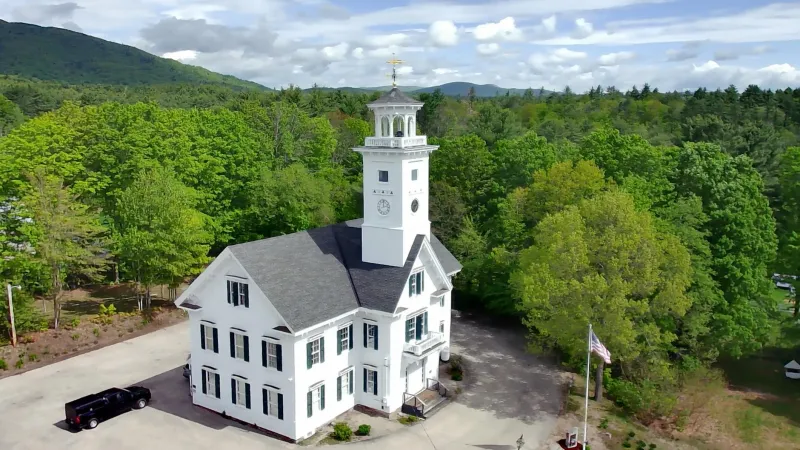
The War That Time Forgot
Imagine finding out your hometown has been technically at war with Canada for nearly two centuries — and nobody, including the Canadians, had any idea. That's exactly what happened to Highgate, Vermont, a sleepy border town that accidentally became America's most patient belligerent.
In 1838, tensions were running high along the U.S.-Canadian border. The Aroostook War (which wasn't really a war) had everyone on edge about territorial disputes, and local communities were taking matters into their own hands. Highgate's town selectmen, caught up in the patriotic fervor, decided to pass what they thought was a strongly-worded resolution supporting American interests.
But here's where things get wonderfully absurd: the legal language they used was lifted from outdated military proclamations, and by the technical definitions of international law at the time, their little town ordinance actually constituted a formal declaration of hostilities against British Canada.
The Discovery That Changed Everything
Fast-forward to 2012. Greg Sanborn, a local historian with too much time on his hands and a passion for dusty municipal records, was digging through Highgate's archives when he stumbled across the forgotten document. At first, he thought it was just another piece of 19th-century political grandstanding. Then he read the fine print.
"I had to read it three times before it sank in," Sanborn later told reporters. "This wasn't just tough talk — this was technically a declaration of war."
The document, written in the flowery legal language of the 1830s, contained phrases like "hereby resolve to resist by force" and "declare our opposition to British territorial claims." In the context of 1838 international law, these weren't just strong words — they were fighting words.
Diplomatic Chuckles All Around
When Sanborn brought his discovery to the attention of town officials, the reaction was a mixture of disbelief and nervous laughter. The current town clerk, who had been filing municipal paperwork for decades, had walked past the document countless times without realizing she was technically working for a government at war.
The story gets even better when Canadian officials caught wind of the situation. Rather than mobilize the Royal Canadian Mounted Police, they responded with the kind of polite bewilderment that only Canadians can muster. A spokesperson for the Canadian Embassy in Washington issued what might be the most diplomatically confused statement in North American history: "We were unaware that hostilities had been declared and are pleased to learn that no actual conflict occurred during this period."
The Longest Ceasefire in History
What makes this story particularly delicious is that during those 174 years of "war," Highgate and its Canadian neighbors got along swimmingly. Cross-border trade flourished, families intermarried, and hockey teams played friendly matches. If this was war, it was the politest conflict in human history.
Local residents regularly crossed into Canada for shopping, work, and family visits. Canadian tourists visited Highgate's historical sites and attended town festivals. For nearly two centuries, two "warring" nations maintained what was essentially the world's longest unofficial ceasefire.
Making It Official
Once the oversight was discovered, both sides moved quickly to resolve the situation. In a ceremony that was equal parts solemn and ridiculous, Highgate officials formally repealed the 1838 ordinance in 2012. Canadian diplomats attended the event, and everyone shook hands like civilized neighbors who had just realized they'd been in a very polite, very long misunderstanding.
The peace treaty (if you can call it that) was signed at Highgate's town hall, with local maple syrup and Canadian beer served to commemorate the end of North America's most forgotten conflict. Photos from the event show officials trying very hard to maintain diplomatic dignity while barely suppressing grins.
What This Says About History
The Highgate incident reveals something fascinating about how easily history can slip through the cracks. In an age before digital records and constant communication, a small-town declaration of war could simply fade into bureaucratic obscurity. The document sat in filing cabinets through the Civil War, two World Wars, the Cold War, and the digital revolution, patiently waiting for someone to notice.
It also highlights the absurdity of legal technicalities. By the letter of 1838 law, Highgate was indeed at war with Canada. By any practical measure, they were just neighbors who occasionally disagreed about hockey.
The Aftermath
Today, Highgate celebrates its unique place in history with the kind of self-deprecating humor that makes small-town America special. The town's website mentions their "brief" 174-year war with Canada, and local businesses have embraced the story with "Peace with Canada" merchandise.
The whole affair serves as a reminder that sometimes the strangest stories are hiding in plain sight, waiting for someone curious enough to dig through old paperwork. In a world where international conflicts dominate headlines, there's something wonderfully refreshing about a war so polite that nobody noticed it was happening.
After all, how many towns can say they fought the longest, quietest war in North American history and still maintained excellent relationships with the enemy?