When Breakfast Becomes a Bioterror Threat
Imagine walking through Manhattan on a crisp October evening when suddenly the air fills with the unmistakable scent of maple syrup—thick, sweet, and completely out of place among the usual urban cocktail of exhaust fumes, hot dog carts, and subway steam. For most people, it might trigger thoughts of weekend pancakes or Vermont vacations. For New Yorkers in the post-9/11 era, it triggered something else entirely: panic.
Between 2005 and 2013, this exact scenario played out dozens of times across Manhattan and parts of Brooklyn, sending hundreds of concerned residents to their phones to dial 911. Each incident prompted massive emergency responses, with hazmat teams racing through the streets and city officials scrambling to identify what they feared might be a chemical weapon disguised as everyone's favorite breakfast condiment.
The Smell That Stopped a City
The first major incident occurred on October 28, 2005, when calls began flooding into New York's emergency dispatch around 9:30 PM. Residents from the Upper West Side to Greenwich Village reported the same thing: an overpowering maple syrup smell that seemed to appear from nowhere and blanket entire neighborhoods.
Within hours, the NYPD, FDNY, and the city's Office of Emergency Management had deployed teams across Manhattan. Hazmat specialists in full protective gear tested air samples while helicopters circled overhead, searching for the source of what officials genuinely feared might be a terrorist attack using an unknown chemical agent.
"The concern was that someone might be using a sweet smell to mask something more sinister," explained former FDNY Deputy Chief Michael Davidson. "After 9/11, we couldn't take any chances with unexplained chemical odors in Manhattan."
By morning, the smell had vanished as mysteriously as it had appeared, leaving behind only confused residents, exhausted emergency workers, and absolutely no answers.
The Pattern Emerges
What made the maple syrup mystery truly bizarre wasn't just the smell itself—it was the pattern. The aroma would appear seemingly at random, sometimes lasting only an hour, other times persisting for an entire evening. It would blanket multiple neighborhoods simultaneously, then disappear without a trace, leaving no residue, no source, and no explanation.
The incidents followed no discernible schedule. Sometimes months would pass without a single report, then suddenly Manhattan would be engulfed in sweetness three times in one week. Weather didn't seem to matter—the smell appeared during heat waves and snowstorms, on calm days and windy nights.
Each incident triggered the same response: hundreds of 911 calls, emergency team deployments, air quality tests, and increasingly frustrated city officials trying to explain to the media why they couldn't identify the source of what sounded like the world's most benign bioterror attack.
Scientific Sleuthing in the Big Apple
By 2006, the city had assembled what might be the only government task force in history dedicated to tracking down a breakfast-related odor. The team included chemists, meteorologists, emergency management specialists, and even food scientists trying to reverse-engineer the mysterious scent.
They tested everything: air conditioning systems, food processing plants, restaurant exhaust vents, even the possibility that someone was conducting massive illegal maple syrup operations in Manhattan basements. Sophisticated air monitoring equipment was deployed across the city, ready to capture and analyze the next aromatic invasion.
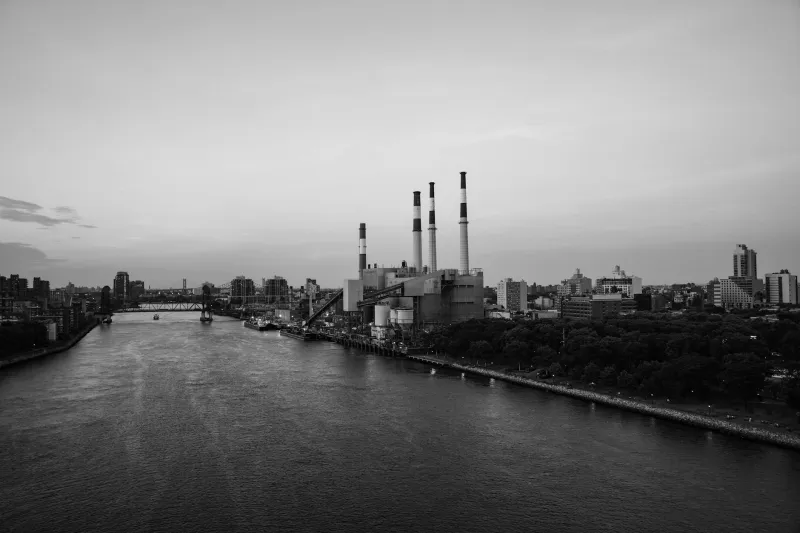
The breakthrough came in 2009, when atmospheric scientist Dr. Robert Voogt noticed something interesting about the wind patterns during maple syrup events. Using weather data and smell reports, he traced the odor's likely origin to an area across the Hudson River in northern New Jersey.
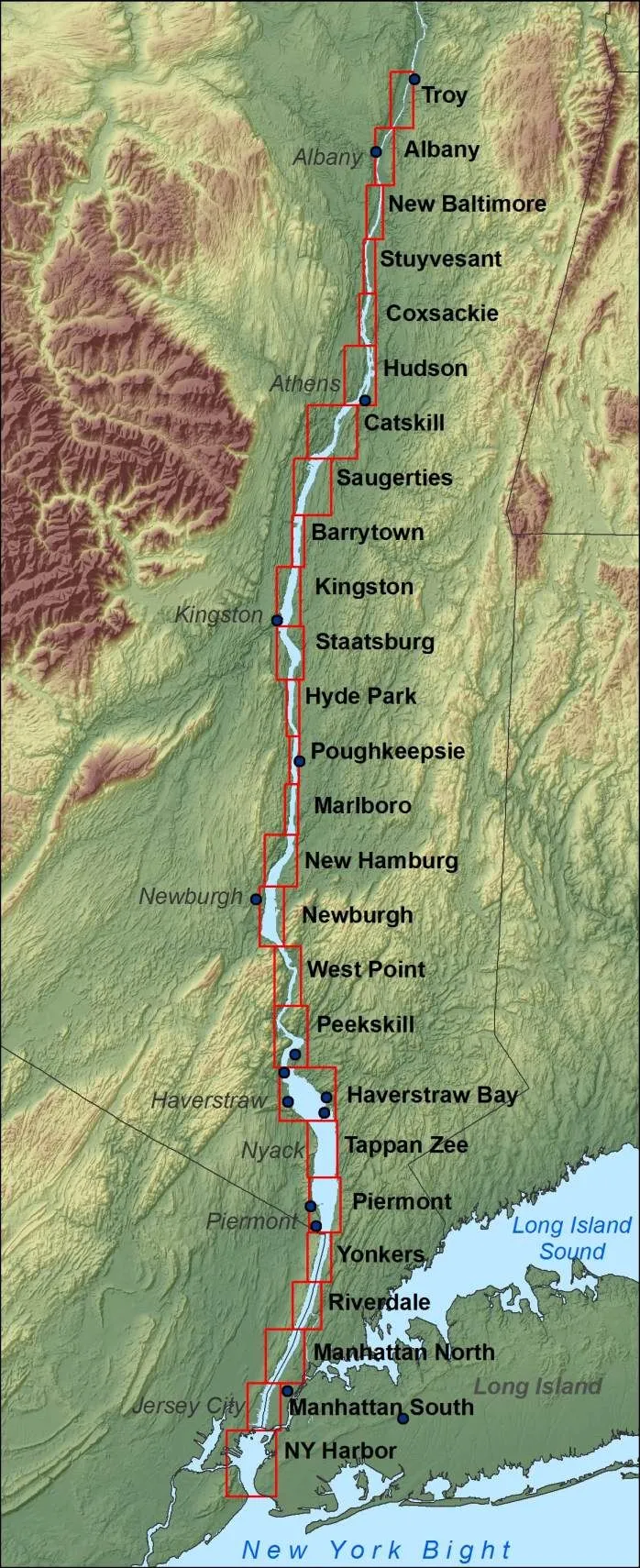 Photo: Hudson River, via i.pinimg.com
The New Jersey Connection
The culprit, it turned out, was hiding in plain sight: a flavor and fragrance manufacturing plant in North Bergen, New Jersey, operated by Frutarom Industries. The facility produced food additives and artificial flavoring compounds, including—you guessed it—maple flavoring.
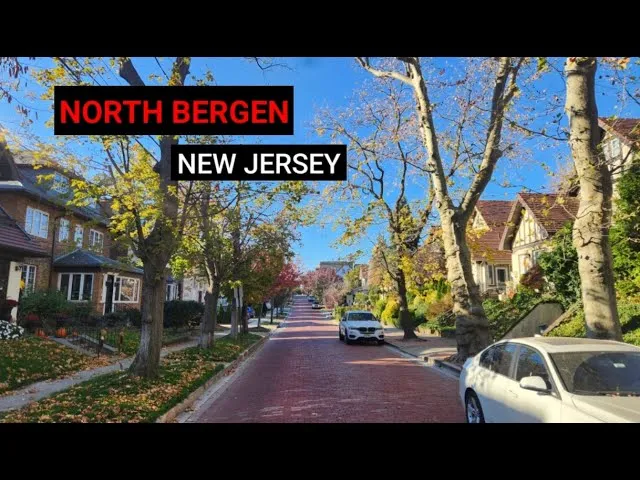 Photo: North Bergen, New Jersey, via i.ytimg.com
The plant had been operating for years, but a combination of factors made the odor problem worse over time. Changes in production schedules, modifications to emission controls, and specific atmospheric conditions created perfect storms that carried concentrated maple-scented compounds across the Hudson River and into Manhattan's densely packed streets.
"It was like a perfect recipe for confusion," explained Dr. Chen Wei, an atmospheric chemist who studied the phenomenon. "You needed the right wind direction, the right temperature inversion, and the right production schedule to create these maple syrup clouds that would drift into the city."
The Sweet Resolution
Once identified, the solution was surprisingly straightforward. Frutarom Industries worked with New Jersey environmental officials to modify their emission controls and production schedules to minimize the release of maple-scented compounds during weather conditions that would carry them toward New York City.
The last major maple syrup incident occurred in February 2013. Since then, Manhattan's air has returned to its normal blend of urban aromas, much to the relief of emergency responders who had grown tired of suiting up in hazmat gear to investigate what turned out to be artificial pancake topping.
The Legacy of Sweet Panic
The maple syrup mystery became a case study in post-9/11 urban anxiety, demonstrating how even the most innocent phenomena could trigger massive security responses in a city still processing collective trauma. It also highlighted the unexpected ways that industrial activity in one state could create chaos in another, separated only by a river and the right atmospheric conditions.
Today, the incident is remembered with a mixture of embarrassment and fondness by city officials who spent years chasing what turned out to be the world's most expensive breakfast smell. The emergency response protocols developed during the maple syrup years, however, have proven valuable for investigating other unexplained odor events—though none have been quite as sweet.
As for Frutarom Industries, they've become something of a legend in the flavor industry, known as the company that accidentally terrorized New York City with the smell of Sunday morning. They've since relocated their maple flavoring operations, ensuring that the only place New Yorkers encounter concentrated maple syrup aromas these days is where it belongs: on their pancakes.