When Democracy Gets Ruff
Most Americans assume you need to be human, a citizen, and at least 18 years old to hold elected office. The residents of Cormorant, Minnesota proved that assumption spectacularly wrong when they elected Duke, a Great Pyrenees, as their mayor not once, but four consecutive times between 2014 and 2018.
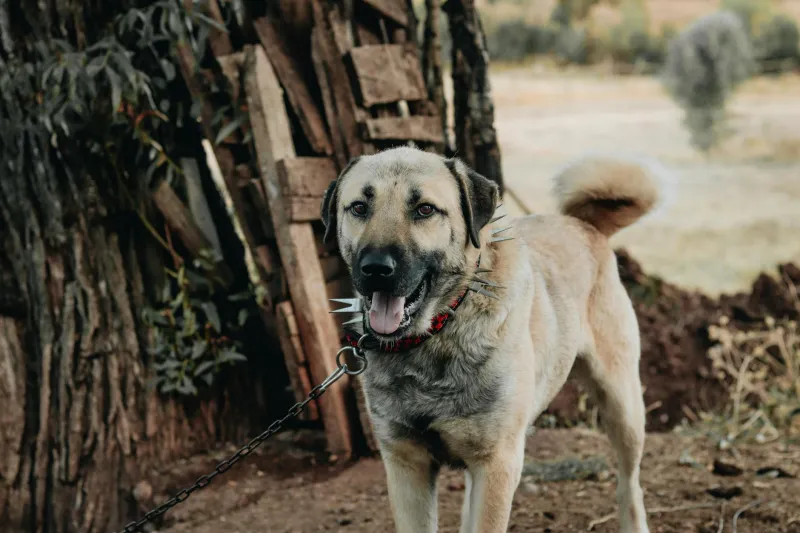
 Photo: Duke, via i.pinimg.com
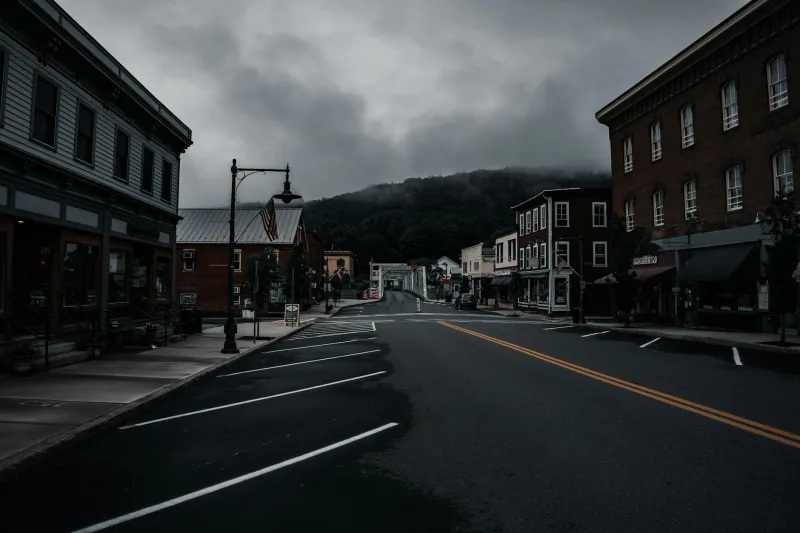
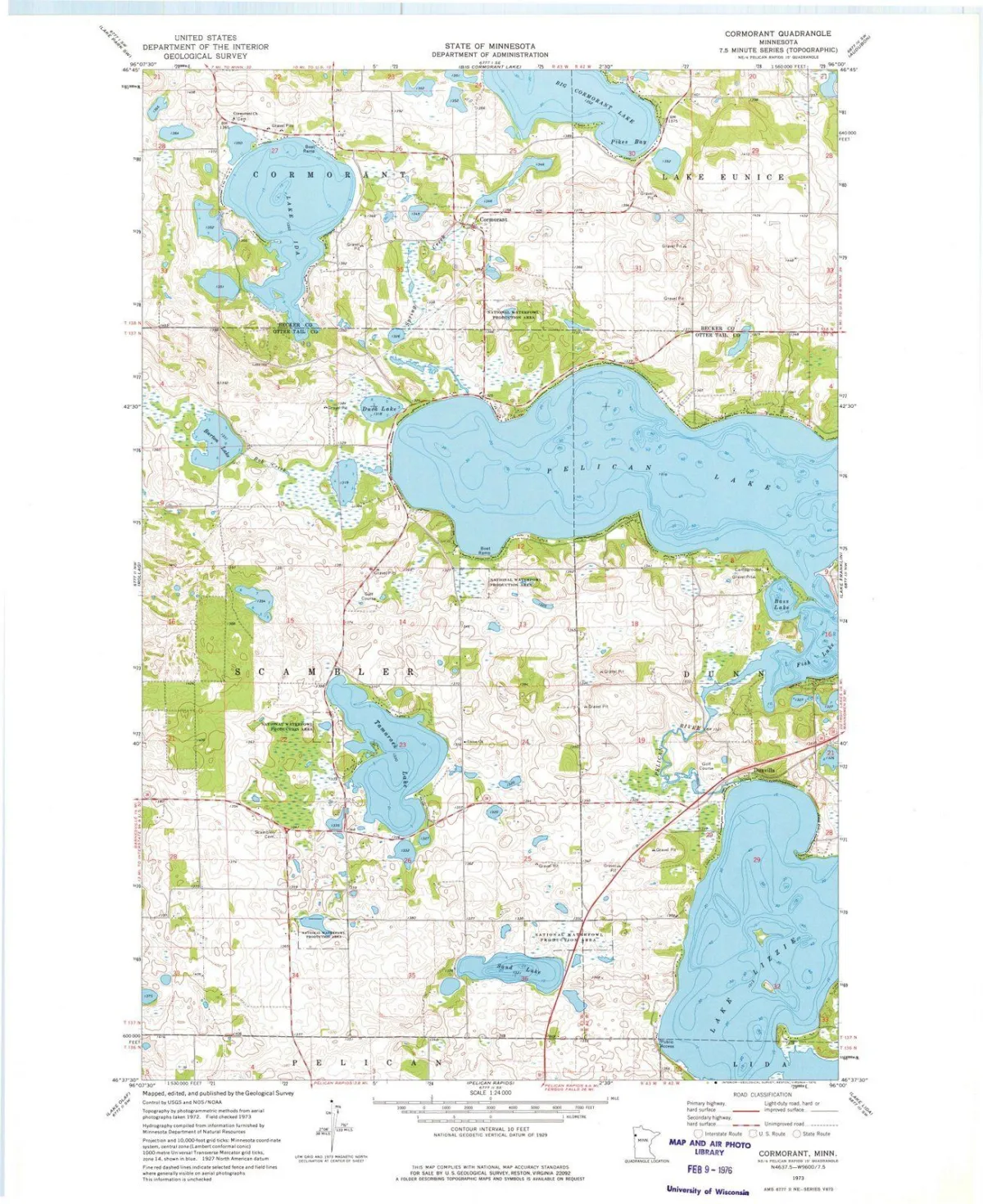 Photo: Cormorant, Minnesota, via i.pinimg.com
This wasn't a publicity stunt or a joke that got out of hand. Duke held legitimate political power in a real American town, complete with official duties and local authority. The story of his unlikely political dynasty exposes the strange gaps in our democratic system that most people never think about.
The Accidental Candidate
Duke's political career began in 2014 when his human, David Rick, decided to participate in Cormorant's annual Cormorant Daze festival election. The town of roughly 1,000 residents holds this quirky democratic exercise every summer, where anyone can run for "honorary mayor" for a year.
Rick thought it would be amusing to write in his dog's name. He wasn't alone—several other residents had the same idea. But here's where things get legally fascinating: Cormorant's election rules, like many small-town honorary positions across America, contained no specific language requiring candidates to be human.
When the votes were counted, Duke had won by a landslide with 12 votes. His closest human competitor managed only 7.
The Duties of Office
Contrary to what you might expect, Duke's mayoral position wasn't purely ceremonial. As mayor of Cormorant, he was expected to attend town meetings, participate in local festivals, and serve as an official representative of the community. His human staff handled the paperwork, but Duke himself showed up to ribbon cuttings, parades, and civic functions.
The Great Pyrenees took his duties seriously, or at least as seriously as a dog can. He attended meetings with remarkable consistency, often sleeping peacefully through budget discussions but perking up whenever treats were mentioned. Local businesses began featuring "Mayor Duke" in their advertising, and the town's tourism increased as word spread about their unusual elected official.
The Democratic Process in Action
What makes Duke's story truly remarkable isn't just that a dog won one election—it's that the democratic process kept working exactly as designed. Each year, Cormorant held new elections. Each year, voters had the opportunity to choose a human candidate. Each year, they chose Duke instead.
This pattern reveals something profound about American democracy at the grassroots level. The voters weren't making a mistake or falling for a prank. They were making a deliberate choice, expressing their preference for a mayor who couldn't raise taxes, couldn't make controversial policy decisions, and whose biggest political scandal involved occasionally stealing food from festival tables.
The Legal Framework
Duke's repeated victories highlight a fascinating aspect of American electoral law: the difference between requirements and assumptions. While most major political offices have explicit constitutional or statutory requirements about age, citizenship, and humanity, many local positions operate on assumptions that were never written into law.
Cormorant's situation isn't unique. Across America, small towns have elected cats, horses, and even a wooden post to honorary positions. These elections stand because the legal framework simply never anticipated the need to specify that mayors should be human.
The Opposition Movement
Not everyone appreciated Duke's political dominance. By his third term, a small but vocal opposition had emerged, arguing that the town needed "real leadership" to address actual municipal issues. They organized campaigns, held rallies, and made compelling arguments about the need for human representation.
The voters listened politely to these arguments. Then they reelected Duke anyway.
This democratic stubbornness wasn't ignorance or apathy—it was a sophisticated political statement. In an era when many Americans feel disconnected from their elected officials, Cormorant's voters found something appealing about a mayor who couldn't disappoint them with broken promises or partisan politics.
The End of an Era
Duke's political career came to an end in 2019, not through electoral defeat, but through the ultimate term limit: death. He passed away at age 13, having served longer than many human politicians and leaving behind a legacy that fundamentally changed how Cormorant thought about leadership and democracy.
The town held a memorial service that drew hundreds of visitors. Local news coverage of Duke's death reached national outlets, cementing his place in American political history as proof that sometimes the most effective leaders are the ones who do the least.
What Duke's Legacy Reveals
Duke's nearly decade-long political career offers a window into the beautiful absurdity of American democracy. His story demonstrates that our electoral system, for all its complexity and controversy at the national level, still contains spaces for genuine grassroots expression—even when that expression involves electing a very good boy to public office.
More importantly, Duke's success reveals what happens when voters are given the freedom to express their true preferences without the constraints of traditional political expectations. They chose competence over charisma, reliability over rhetoric, and unconditional loyalty over political calculation.
In a political landscape often dominated by divisiveness and disappointment, the voters of Cormorant, Minnesota found their ideal candidate. He just happened to have four legs and a tendency to drool during budget meetings.